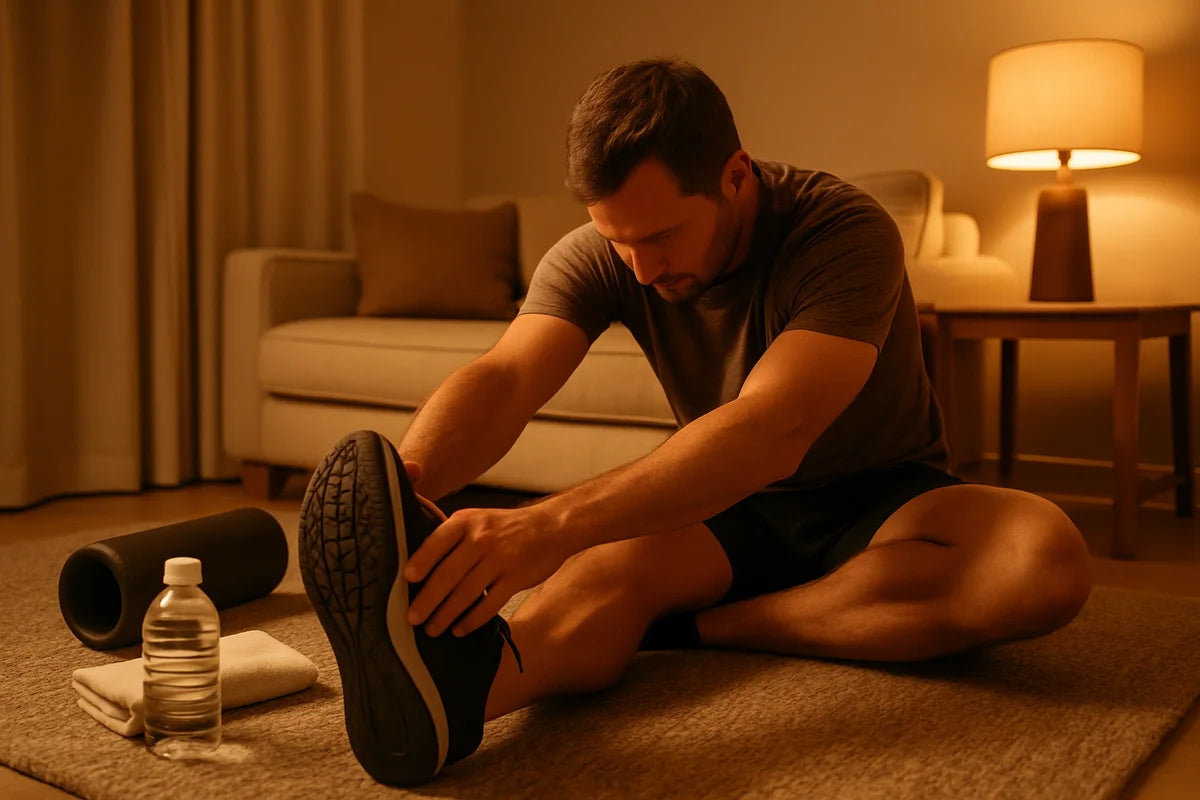
Recovery isn’t just sleep, protein, and a day off. What you do in the 10 to 20 minutes after training can change how you feel tomorrow. Stretching techniques to enhance athletic recovery work best when you match the right stretch to the right moment. Some methods calm your nervous system and help you relax. Others restore range of motion you lose during hard sessions. A few, done at the wrong time, can leave you feeling more beat up.
This article breaks down practical stretching options, when to use them, and simple routines you can follow. You don’t need to be flexible. You just need a plan.
What “recovery” really needs after a workout

Most people stretch because they feel tight. Tightness can mean a few things:
- Muscle fatigue from training load
- Short-term swelling and stiffness after hard work
- Nervous system “guarding” after intense effort
- True loss of joint range of motion over time
Stretching techniques to enhance athletic recovery mainly help with comfort, range of motion, and downshifting after training. Stretching won’t flush lactic acid (your body clears lactate fast on its own). If you want a grounded overview of what causes delayed onset muscle soreness (DOMS) and why it shows up a day later, see this plain-language explainer from Cleveland Clinic on DOMS.
So what can stretching do?
- Help you move better tomorrow by restoring usable range
- Reduce the “stiff board” feeling after lifting or running
- Signal your body to shift from “go” to “rest” mode
- Expose problem areas early so you can adjust training
Timing matters: pre-workout vs post-workout stretching
The biggest mistake is treating all stretching the same. Before training, you want heat, blood flow, and readiness. After training, you want to cool the system down and keep your joints moving well.
Before training: favor dynamic movement
Long, static holds right before explosive work can reduce power for a short window in some people. That doesn’t mean static stretching is “bad.” It means it fits better after training or in a separate mobility session. The American College of Sports Medicine (ACSM) shares general flexibility guidance that aligns with this idea: warm up with movement, then stretch longer when you’re done.
After training: choose calm, controlled stretching
Post-workout is where most stretching techniques to enhance athletic recovery shine. Your tissues are warm. Your nervous system is primed to settle. You can use slower breathing and longer holds without worrying about sprint speed or a heavy lift.
The main stretching techniques (and when each one helps)
1) Static stretching (simple holds)
Static stretching means holding a position at a gentle end range. It works well after training or on rest days to maintain flexibility.
- Best for: reducing post-session stiffness, improving comfort, maintaining range of motion
- How long: 20 to 60 seconds per position
- How hard: mild to moderate pull, no sharp pain
Think “steady and calm,” not “push through.” If you shake, cramp, or hold your breath, back off.
2) Dynamic stretching (active range of motion)
Dynamic stretching uses controlled swings, reaches, and joint circles. It’s often called “mobility,” and it fits best in warm-ups and cooldowns when you keep it smooth and pain-free.
- Best for: restoring fluid movement after a session, prepping joints before training
- How long: 6 to 10 reps per move, 1 to 2 rounds
- How hard: controlled, never ballistic
If you want examples that match different sports, the NSCA training articles often cover warm-up and movement prep ideas used by coaches.
3) PNF stretching (contract-relax)
PNF (proprioceptive neuromuscular facilitation) uses a light muscle contraction followed by a deeper stretch. It can improve range of motion quickly, but it’s easy to overdo if you chase intensity.
- Best for: targeted flexibility work after training or on rest days
- How long: 10 seconds gentle stretch, 5 to 10 seconds light contraction, then 15 to 30 seconds stretch
- How hard: contraction at about 30 to 50% effort
PNF works well for hamstrings, hip flexors, and calves. If you’re doing it solo, use a strap and keep the contraction light.
4) Loaded stretching (advanced and optional)
Loaded stretching puts a muscle under light load in a lengthened position, like a slow, controlled split squat that opens the hip flexor. This can build strength at end range, but it also adds training stress. For pure recovery, keep it easy or skip it after very hard sessions.
- Best for: building long-term mobility and resilience
- When: on lighter days, or separate from intense training
- Risk: soreness if you push range under load
How to stretch for recovery without wasting time
Most people don’t need more stretches. They need better rules.
Rule 1: Use a “tightness map,” not a random list
Ask two questions right after training:
- Where do I feel limited when I try to move normally?
- What got hammered today (and needs gentle length and blood flow)?
If you ran hills, your calves and hip flexors usually want attention. If you deadlifted heavy, your glutes, adductors, and lats may feel locked up.
Rule 2: Breathe like you mean it
Breathing changes how stretching feels. Slow exhales help your rib cage drop and your nervous system relax. That often makes the same stretch feel easier without forcing range.
- Inhale through your nose for 3 to 4 seconds
- Exhale for 5 to 7 seconds
- Keep your jaw and hands relaxed
Rule 3: Aim for “better,” not “max”
Recovery stretching should make tomorrow better. If you stretch so hard you feel sore at the tendon, you didn’t recover. You trained.
A good target is leaving each position feeling like you could hold it 10 seconds longer if you had to.
Post-workout stretching routines you can use right away
Below are two simple options. Pick one based on time and how hard you trained. These are practical stretching techniques to enhance athletic recovery without turning your cooldown into a second workout.
Option A: 8-minute full-body cooldown (after most sessions)
- Easy walk or light cycle: 2 minutes
- Half-kneeling hip flexor stretch: 45 seconds per side
- Calf stretch against wall: 45 seconds per side
- Figure-4 glute stretch (on back): 45 seconds per side
- Doorway chest stretch: 45 seconds per side
- Child’s pose with side reach (lats): 30 seconds each side
Keep every stretch gentle. Breathe slow. If one area feels “grabby,” repeat it for a second round instead of adding more moves.
Option B: 12-minute lower-body recovery (after running or leg day)
- Dynamic ankle rocks (knee to wall): 10 reps per side
- Standing quad stretch with glute squeeze: 45 seconds per side
- Hamstring strap stretch: 60 seconds per side
- Adductor rock-back (hands and knees): 8 reps per side
- PNF calf stretch with strap: 1 round per side
If you cramp during hamstring or calf work, reduce the intensity and bend the knee slightly. Cramping often means you’re pushing too hard, not that you “need more.”
Targeted stretches for common “athlete tight” areas
If you only have time for a few moves, focus on the spots that limit clean movement patterns.
Hip flexors (common in runners and desk workers)
- Half-kneeling hip flexor stretch
- Cue: tuck your pelvis slightly and squeeze the back-side glute
- Avoid: arching your low back to fake range
Calves and ankles (running, jumping, court sports)
- Wall calf stretch with straight knee, then bent knee
- Cue: press your big toe down and keep your heel heavy
Hamstrings (lifting, sprinting)
- Supine hamstring stretch with strap
- Cue: keep the other leg long and your hips level
- Avoid: yanking the strap and rounding your back
Glutes and deep hips (squats, cycling)
- Figure-4 stretch
- 90-90 breathing stretch (gentle, controlled)
Chest and lats (pressing, swimming, lots of sitting)
- Doorway chest stretch
- Child’s pose with hands walked to one side
If you want visual demos from a coaching-driven site, Breaking Muscle publishes practical mobility and recovery content that many athletes find easy to follow.
Common stretching mistakes that slow recovery
Stretching cold
If you stretch right after you roll out of bed, everything feels tight. Do two minutes of easy movement first. Walk, march in place, or do gentle joint circles.
Chasing pain
Pain makes you brace. Bracing blocks the very relaxation you want from recovery work. Stay in a range where you can breathe slow and keep your face relaxed.
Holding your breath
If you hold your breath, you turn stretching into a fight. Use long exhales and keep your ribs down.
Stretching the wrong thing
Sometimes “tight hamstrings” are a response to a tired back or hips that don’t move well. If stretching one area never helps, try a nearby joint. Ankle limits can make your calves feel tight. Hip limits can make your low back work too hard.
Stretching plus other recovery basics that actually help
Stretching techniques to enhance athletic recovery work best as part of a simple system. If one piece is missing, stretching can’t cover for it.
Light movement on rest days
A 20 to 30 minute easy walk can reduce stiffness and help you feel human again. For many people, it works better than a long stretching session.
Hydration and electrolytes
If you sweat a lot, cramps and “tight” muscles can show up more often. You don’t need a fancy plan, but you do need a consistent one. For a straightforward overview of hydration basics, see CDC guidance on water and healthier drinks.
Sleep (the boring superpower)
If your sleep is short, soreness lasts longer and training feels harder. If you want an evidence-based look at how sleep affects performance and recovery, the Sleep Foundation’s overview on athletes and sleep is a useful starting point.
Self-checks: track soreness and range
You don’t need a lab. Pick one simple marker:
- Can you touch your toes without strain?
- Does a deep squat feel smooth?
- Do your shoulders move overhead without pinching?
If your range keeps dropping week to week, you may need a lighter training day, more warm-up time, or help from a qualified coach or clinician.
How to build a weekly stretching plan you’ll stick with
Consistency beats perfect programming. Here’s a simple schedule that fits most active people.
After training: 6 to 12 minutes
- 2 to 4 static stretches for your main worked areas
- 20 to 60 seconds each
- Slow breathing the whole time
Two days per week: 15 minutes of focused mobility
- Pick 2 problem joints (often hips and ankles, or shoulders and thoracic spine)
- Use a mix of dynamic and static work
- Add light PNF if you tolerate it well
Once per week: quick reassessment
- Check your “tightness map” and adjust
- Drop stretches that don’t change anything
- Keep the ones that make you move better the next day
If you like structure, you can time holds with a simple interval timer app. The free web-based interval timer works well for stretching blocks and keeps you from guessing.
Where to start this week
Pick one post-workout routine from above and run it after your next three sessions. Keep the effort easy and the breathing slow. Then judge it by one standard: do you move better tomorrow?
If the answer is yes, you’ve found stretching techniques to enhance athletic recovery that fit your body and your training. If the answer is no, change one variable, not ten. Swap one stretch. Reduce intensity. Or move stretching to later in the day when you’re calmer and less rushed.
Over time, this turns stretching from a chore into a feedback tool. It shows you what your training is doing to your body, and it helps you stay ready for the next session instead of just surviving it.
Share:
Upper Body Strength for New Dads: A Workout Plan That Fits Nap Schedules
Pull Up Bar Installation Tips for Beginners: Get It Solid, Safe, and Ready to Use